How to Handle Common Faults of a Filter Press
A plate-and-frame filter press is equipment used in wastewater treatment systems for sludge dewatering. Its function is to press and filter the sludge produced after wastewater treatment, forming large filter cakes (sludge cakes) for easy disposal.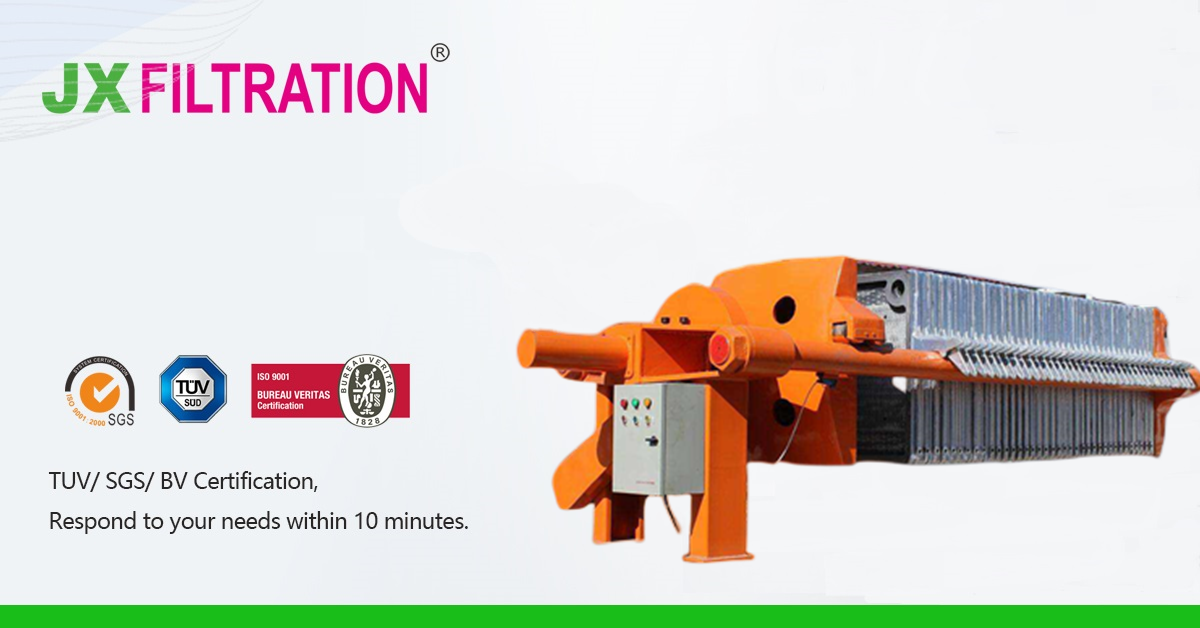
A filter press consists of five major components:
-
Filter plates
-
Hydraulic system
-
Filter press frame
-
Plate shifting/transfer system
-
Electrical control system
The working principle of a filter press is relatively straightforward. The hydraulic unit first applies pressure to tighten the plate-and-frame pack. Sludge enters from the center and is distributed between the filter cloths.
Because the plates are tightly pressed together, the sludge cannot escape. Under the high pressure generated by the screw pump and diaphragm pump, water is forced out through the filter cloth and flows into the return line, while the solids remain inside the chambers and form filter cakes.
After filtration, the hydraulic pressure is released, the plates are separated, and the cakes fall off by gravity to be removed by truck. This is why the filter press operation is typically the final step in wastewater treatment.
The main parameters and operating data of the filter press include:
-
Number of plates: 125 (expandable to 150, forming 149 chambers)
-
Plate size: 1300 × 1300 mm
-
Cake thickness: 30 mm
-
Filtration area: 297.6 m²
-
Filtration pressure: 16 bar
-
Maximum closing pressure: 368 bar
During operation, the press maintains a closing pressure of 368 bar and a filtration pressure of 16 bar. Under such high pressures, the filter plates and filter cloths may become damaged or clogged. Additionally, due to contamination from oily sludge, the plate-shifting system may experience jamming or unstable movement.

Any Requirements, Contact Us Now!
Kris
Email/Teams: kris@filtrationchina.com
Mobile/Whatsapp/Wechat: +86 18980776200